Pest Control Services Sussex County for Crawl Spaces and Garages
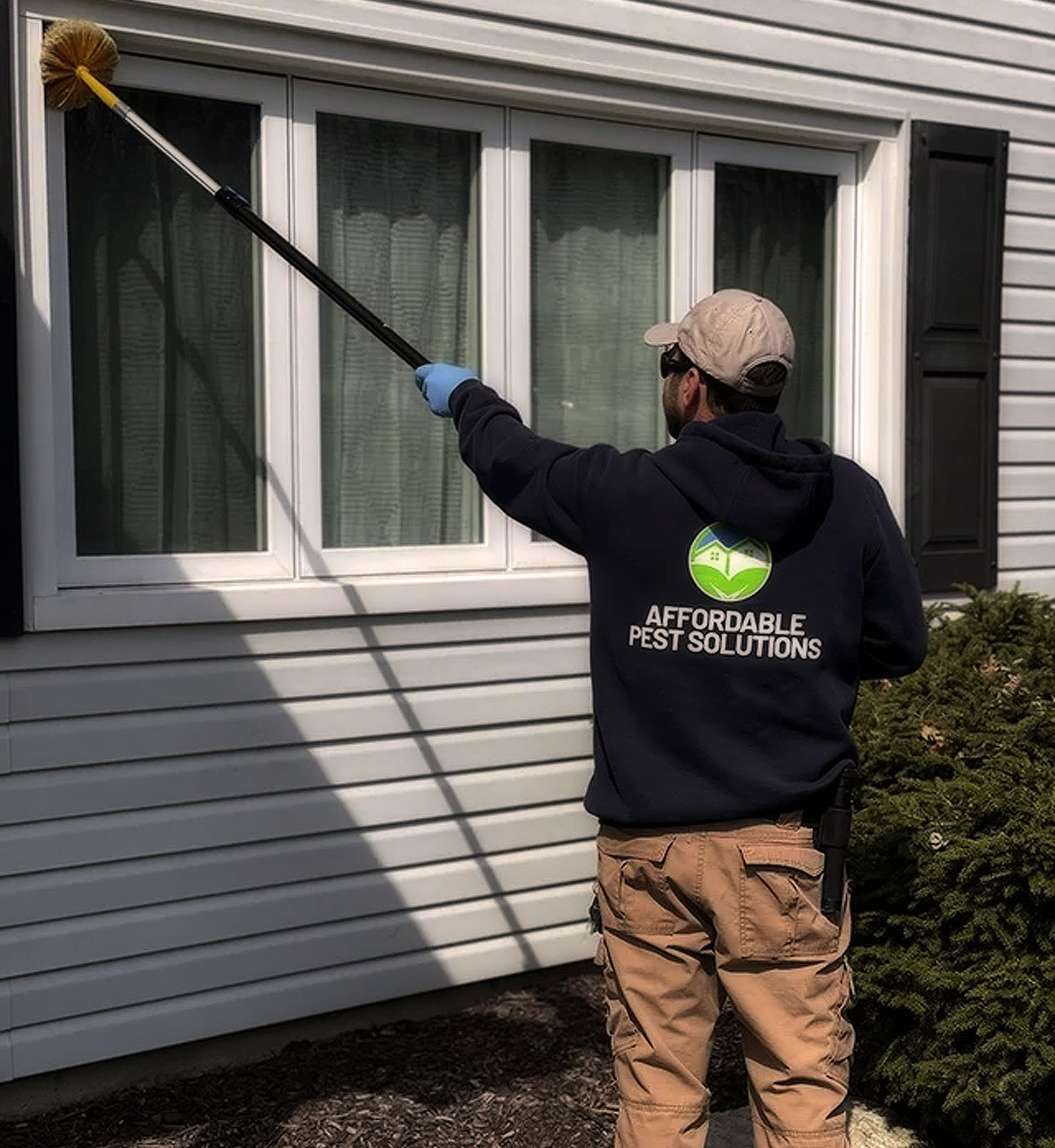
Crawl spaces and garages rarely get much attention until something moves where it should not, chews what it should not, or leaves behind the kind of smell that sends a homeowner hunting for a flashlight. In Sussex County, those two areas attract pest activity for simple reasons. They stay dark, they hold moisture, they collect clutter, and they often sit at the edge of the home’s protective envelope. If pests are looking for shelter, food scraps, nesting material, or an easy entry point, these spaces give them options.
That is why Pest Control Services Sussex County often begin with the parts of a property people use the least. A polished kitchen or freshly vacuumed living room can create a false sense of security. Meanwhile, beneath the floorboards or behind stacked storage bins in the garage, mice are running a trail along the wall, camel crickets are thriving in damp corners, and carpenter ants are quietly testing softened wood.
The job is not just to kill what is visible. Good pest control in these areas depends on reading the conditions that support infestations and correcting them with equal parts treatment, exclusion, and maintenance. Crawl spaces and garages each present their own challenges, and they reward a different level of attention than the rest of the house.
Why crawl spaces become pest magnets
A crawl space is one of the most forgiving environments for pests. It stays relatively undisturbed, especially in homes where no one has reason to enter it except for plumbing, electrical, or insulation work. If the area has poor drainage, torn vapor barriers, or inadequate ventilation, it can stay damp for long stretches after heavy rain or humid summer weather. In Sussex County, where seasonal moisture swings can be significant, that matters.
Moisture is the first issue I look for in any crawl space complaint. Many pests do not need standing water to thrive. They need only enough humidity to keep wood soft, cardboard musty, and the environment suitable for nesting. Spiders follow insects. Centipedes follow spiders and other small prey. Camel crickets gather in damp, cool areas. Rodents use the insulation and framing for protected travel. In some homes, especially older ones, wood-destroying insects become part of the picture if moisture is ignored for too long.
A crawl space also gives pests a transportation corridor. Mice do not have to expose themselves in open rooms if they can move below the floor system and enter wall voids from below. Ants can trail along foundation seams, sill plates, and utility penetrations. Once they establish a route, they return to it repeatedly.
The most frustrating part for homeowners is that signs may appear far from the source. You might hear scratching in a bedroom wall and assume the attic is the issue, only to find the actual entry point low on the exterior foundation with activity building in the crawl space first.
Garages invite a different kind of pressure
Garages are less hidden than crawl spaces, but they often hold more food sources and nesting material. Bird seed, pet food, grass seed, cardboard boxes, old furniture padding, and even reusable grocery bags can support pest activity. Add the constant opening and closing of the garage door, and you have a busy access point.
In Sussex County neighborhoods, detached and attached garages each create their own risks. A detached garage may sit closer to tree lines, brush, woodpiles, or sheds, which increases pressure from rodents and overwintering insects. An attached garage raises a different concern because any pest established there is one short move away from the main house. The door into the mudroom may look solid, but if weatherstripping is worn and the framing has small gaps, pests can use it.
Garages also have more structural vulnerabilities than many people realize. Bottom door seals wear out. Side trim separates. Concrete slabs settle and leave daylight at corners. Homeowners may notice a draft and think only about energy loss, while a mouse sees a reliable route inside.
I have seen perfectly clean garages with recurring rodent issues because the owner stored nothing edible and still overlooked one key detail: the overhead garage door closed unevenly, leaving a gap just wide enough at one side for repeated entry. Cleanliness matters, but in garages, access often matters more.
The pests most often found in these spaces
Crawl spaces and garages do not attract every pest equally. Some are much more common in these zones because the environment suits their habits.
Rodents are high on the list. Mice need very little room to enter and are comfortable nesting in insulation, wall voids, storage boxes, and soft materials. Rats are less common in some residential settings than mice, but where they appear, garages with clutter and accessible food are often involved.
Ants are another frequent problem. Pavement ants, odorous house ants, and carpenter ants may all show up depending on the property conditions. Carpenter ants deserve special attention when crawl spaces stay damp, because moisture-damaged wood becomes more attractive for nesting.
Spiders are common in both areas, though the concern is usually more about volume and nuisance than serious danger. If a garage or crawl space has a thriving insect population, spider numbers tend to follow.
Camel crickets are especially associated with damp crawl spaces and basements. Homeowners often describe them as startling rather than dangerous. They jump unpredictably and seem to appear out of nowhere when a light is switched on.
Cockroaches can be found in garages and crawl spaces too, particularly where cardboard, moisture, and clutter combine. American roaches may move through drain lines, utility areas, and damp structural voids. Oriental roaches also favor cool, moist conditions.
Termites are a separate category because they require a very specific response. Not every crawl space pest problem involves termites, but crawl spaces are exactly where early signs of subterranean termite activity may be discovered. Mud tubes, damaged wood, and high moisture content deserve professional evaluation without delay.
What a real inspection should uncover
A proper inspection for these areas is not a quick spray-and-go visit. It should answer three practical questions. What is active right now, how are pests getting in, and what conditions are helping them stay?
In a crawl space, that means checking the foundation perimeter, vents, insulation condition, sill plates, utility penetrations, evidence of droppings, insect activity, wood moisture concerns, and the condition of any vapor barrier. If there is standing water, staining, or fungal growth, those observations matter because pest pressure rarely exists in isolation from moisture issues.
In a garage, the inspection should include door seals, side gaps, corners, interior clutter zones, shelving, stored materials, wall penetrations, attic hatches if present, and the transition points between garage and house. A technician should also ask how the space is used. A garage that functions as a workshop has different attractants than one used only for vehicles.
This is where local experience matters. Pest Control Services Sussex County need to account for how homes in the area are built, how moisture behaves on local lots, and how seasonal changes shift activity. A property near woods, marshy ground, open fields, or older drainage infrastructure will not behave like a tightly built subdivision lot with newer grading.
Treatment is only one part of the solution
Homeowners often expect pest control to mean chemicals first. Treatment matters, but treatment alone rarely solves recurring crawl space and garage issues. These are structural and environmental problems as much as pest problems.
If mice are entering through a quarter-inch gap along the garage door edge, baiting may reduce numbers for a while, but the pressure continues until the access point is corrected. If ants are trailing through a crawl space because the wood remains chronically damp, spraying can knock back visible movement without changing the conditions that allowed the colony to establish close by.
The best service plans combine targeted treatment with exclusion and sanitation advice. The exact approach depends on what is found, but judgment is everything. Not every spider in a garage requires an aggressive interior treatment. Not every single mouse sighting means a major infestation. On the other hand, dismissing droppings in a crawl space as minor can become expensive if populations build undetected for months.
I generally tell homeowners to think in layers. You reduce the current activity, close the likely entry routes, remove what supports nesting or feeding, and then monitor. Skipping one layer is how problems return.
The fixes that matter most
The strongest pest prevention work in crawl spaces and garages usually looks less dramatic than people expect. It is not flashy. It is careful correction of the details pests exploit every day.
Here are the signs that usually justify a prompt professional inspection:
- Fresh droppings in the garage, especially along walls or under shelving
- Musty odors, torn insulation, or visible trails in the crawl space
- Repeated ant activity near the same garage corner or utility line
- Gaps at the garage door edges, foundation penetrations, or vent screens
- Noises in walls or floors that are strongest at night
In crawl spaces, moisture control is often the biggest pivot point. A torn vapor barrier, poor drainage near the foundation, leaky plumbing, or condensation on ductwork can keep humidity elevated enough to sustain pest activity. Encapsulation is not necessary in every home, but when moisture is chronic, stronger crawl space sealing measures can make a substantial difference.
In garages, storage habits matter more than many owners think. Cardboard absorbs moisture and gives insects and rodents places to hide. Bagged seed and pet food invite feeding. Piles of fabric, paper, and padding become nesting material. Replacing cardboard with sealed plastic bins cuts down on several risks at once.
Exclusion is the least glamorous step and often the most important. That can mean replacing a worn garage door sweep, installing better weatherstripping, sealing utility penetrations, screening vents properly, or repairing damaged trim. The work has to be precise. A hasty patch job often fails within a season.
What homeowners can do before service arrives
Preparation does not replace professional work, but it helps the visit go faster and makes the findings clearer. It also reduces the chance that a small issue gets hidden behind clutter.
A few practical steps make a noticeable difference:
- Move stored items at least a few feet away from garage walls if possible
- Do not leave pet food, bird seed, or open trash in the garage overnight
- Clear access to crawl space entries, utility areas, and garage corners
- Note where you have seen droppings, insects, odors, or noises
- Avoid using over-the-counter sprays right before the inspection
That last point saves a lot of confusion. Store-bought products can scatter insects, mask trail patterns, and make it harder to tell where activity is strongest. If someone has already sprayed three different products in a garage, the evidence may be incomplete by the time a technician gets there.
Common mistakes that prolong the problem
One of the most common mistakes is focusing only on visible pests. If a homeowner sees spiders, the real issue may be that the garage is supporting too many insects. If they hear mice, the entry gap may be outdoors at the foundation or garage frame, not where the sound Pest Control Services Sussex County Affordable Pest Solutions LLC is heard.
Another mistake is treating crawl spaces as if they are separate from the rest of the home. They are not. Air movement, utility penetrations, framing cavities, and plumbing routes connect these spaces to living areas more directly than many people realize. A rodent population under the house does not stay politely below the floor.
There is also a tendency to underestimate low-level activity. A few droppings behind stored paint cans can look minor. Then a shelf gets moved months later and a nest appears. Early-stage problems are cheaper and simpler to manage than mature infestations.
Finally, some owners swing too far in the opposite direction and demand heavy recurring chemical treatment for issues that are mostly structural. Good pest control uses the least intrusive effective approach. If a garage rodent problem can be sharply reduced by exclusion, sanitation, and targeted control, that is usually better than relying on repeated broad treatment alone.
Seasonal patterns in Sussex County
Seasonality shapes what shows up and when. In cooler months, garages often see increased rodent pressure because mice and other pests search for warmth and shelter. A small gap that goes unnoticed in summer may become a busy access point in late fall.
Spring and summer shift the pattern toward ants, moisture-loving insects, and increased spider activity. Heavy rain can push pests from saturated exterior ground toward drier structural voids. Humid periods can make crawl spaces especially active, particularly where drainage or vapor barriers are already weak.
That does not mean winter crawl spaces are quiet. Rodents remain active year-round, and the hidden nature of the space lets them continue undisturbed. Termite concerns also do not follow the same pattern as casual nuisance pests. If there is conducive moisture and wood contact, the risk deserves attention regardless of season.
Experienced local providers understand these cycles and schedule follow-up accordingly. Pest Control Services Sussex County should not look identical in January and July because the pressure is different, the species are different, and the treatment priorities change.
When a crawl space issue points to a larger home problem
Sometimes the pest issue is the messenger rather than the whole problem. A damp crawl space may signal grading failure, gutter discharge too close to the foundation, plumbing leaks, or missing vapor control. Repeated garage infestations may reveal framing gaps, deteriorated door components, or poor storage practices that affect more than pests.
This is where homeowners benefit from a technician who can distinguish between nuisance activity and a condition with bigger implications. Carpenter ants in a dry garage with no wood issues are one level of concern. Carpenter ants repeatedly tied to moisture-damaged framing in a crawl space are another. The same goes for rodent droppings near a garage entry versus rodent activity that has already spread into insulation and interior wall cavities.
A good service visit should leave you with more than a treatment receipt. It should give you a clear understanding of what was found, what needs immediate attention, and what can be addressed over time.
Choosing the right service approach
Not every property needs an extensive year-round program, but many crawl space and garage issues benefit from follow-up rather than a single visit. The reason is simple. Exclusion repairs may solve access, but monitoring confirms whether pressure has stopped. Moisture corrections may take time to show their full benefit. Seasonal pest cycles can reveal weak points that were not obvious during the first inspection.
Ask direct questions. Was the issue limited to one space or connected to broader structural access? Are there signs of old activity, fresh activity, or both? What repairs matter most? Is the recommendation based on active evidence or general prevention? Those answers tell you whether the service is grounded in observation or just selling a package.
For Sussex County homeowners, the best results usually come from pairing pest control with practical property maintenance. Keep water moving away from the home. Replace failing seals. Store materials cleanly and off the floor where possible. Do not ignore minor signs in low-traffic areas.
Crawl spaces and garages may sit outside daily routines, but pests treat them as prime real estate. When those spaces are inspected carefully and managed properly, a large share of recurring home pest problems becomes easier to control. That is the real value of professional Pest Control Services Sussex County. The goal is not just to make the problem disappear for a week. It is to make the property less inviting, less accessible, and far less likely to support another infestation.
Affordable Pest Solutions LLC
Based in Budd Lake, New Jersey 07828
Service area: Sussex County, Morris County, and Warren County, New Jersey
+1 973-229-9547
FAQ About Pest Control Services Sussex County
What is included in a pest control service in NJ?
A visit generally starts with an inspection to identify the pest and assess activity, access points, and contributing conditions. The proposed service may include treatment, monitoring, exclusion recommendations, and follow-up. Ask which pests and areas are covered by the written quote.
How much does a pest controller charge in NJ?
Pricing depends on the pest, property size, severity of activity, and work required. A single treatment and an ongoing plan can have different costs and coverage. Request an inspection-based estimate that explains the included work, follow-up fees, and warranty terms.
How to prepare my home for pest control?
Ask for instructions specific to the planned service. The technician may need access to inspection areas and may ask you to move belongings or protect food and dishes. Mention pets, aquariums, and any household concerns beforehand. Follow the product label and the technician's instructions about leaving and re-entering treated areas.