Why Preventive Pest Control Services Warren County Save Money
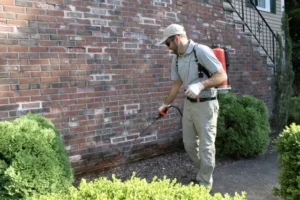
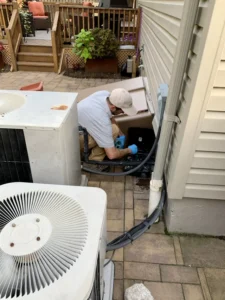
Most people call for pest control after something has already gone wrong. They hear scratching in the wall, find ants marching across the kitchen counter, spot droppings in a pantry, or notice a wasp nest getting too close to the front door. By that point, the cost is rarely limited to the treatment itself. There is often damaged insulation, ruined food, contaminated storage, chewed wiring, stained drywall, or a problem that has spread farther than anyone realized.
That is why preventive service almost always costs less over time.
Homeowners and property managers in Warren County are not dealing with pests in a vacuum. Local conditions matter. Seasonal moisture, fluctuating temperatures, aging housing stock, wooded lots, crawl spaces, detached garages, and neighboring fields or drainage areas all create opportunities for insects and rodents to move in. In that setting, waiting until there is a visible infestation is a gamble, and not usually a cheap one.
Preventive Pest Control Services Warren County work because they change the timing of the expense. Instead of paying for emergency response, repeated treatments, repairs, and disruption, you pay for regular inspections, early interception, and targeted control before the damage has a chance to compound.
The expensive part is usually not the bug
When people compare preventive service to a one-time spray, they often make the wrong comparison. They look at the monthly or quarterly cost and weigh it against doing nothing. That is not the real choice. The real choice is preventive care versus reactive care.
Reactive care tends to look less expensive right up until the moment it is not.
Take carpenter ants as an example. A few ants in a bathroom or near a window do not always signal a crisis, but they can point to a moisture issue and a nest nearby. If a technician catches that early, treatment may be straightforward, and the recommendation may be as much about fixing a gutter leak or damp trim board as it is about applying product. If the problem sits for months, what looked minor can turn into wall void activity, recurring colonies, and wood that needs repair.
Rodents are another common budget trap. Mice and rats do not need a dramatic opening to get inside. A gap around a utility line, a worn door sweep, or a damaged vent can be enough. Once they establish a route, the costs multiply fast. Beyond the service call itself, there can be insulation contamination, food loss, odors, soiled storage, and sometimes electrical damage. A single chewed wire in the wrong place can turn a modest pest problem into a much larger repair.
The same pattern shows up with termites, cockroaches, pantry pests, cluster flies, and stinging insects. The treatment is only part of the bill. The rest comes from what the pests do while no one is paying attention.
Prevention works because pests follow patterns
Experienced technicians are not just applying products. They are reading conditions.
Pests are predictable in ways most people do not notice. Ants follow moisture and food access. Rodents follow warmth, shelter, and safe travel lines. Wasps look for protected building features. Spiders settle where insect activity supports them. Roaches exploit clutter, heat, and water sources. Termites depend on wood-to-soil contact, moisture, and hidden entry points.
That predictability is where preventive service creates value. A trained eye catches the small signs before they become visible problems. Mud tubes on a foundation wall, a soft spot near a sill plate, grease marks along a basement edge, fresh frass under trim, a gap under exterior flashing, or the early stages of a yellowjacket nesting site can all tell a story. Most homeowners will never see those details, and if they do, they may not know which ones matter.
Regular visits put a schedule around that expertise. Instead of waiting for the homeowner to discover the problem during dinner or before guests arrive, the inspection happens on purpose, often at the point when a fix is simplest and cheapest.
Warren County properties have pressure points that invite repeat issues
A lot of homes and light commercial properties in Warren County share the same vulnerabilities. Some are structural. Some are environmental. Some come down to how people use the property.
Basements, crawl spaces, attached garages, sheds, retaining walls, mulch beds, stacked firewood, low tree limbs, and older utility penetrations all create access points or harborage. Even well-kept properties can develop new risks over the course of a year. Soil settles. Weatherstripping wears out. Moisture builds where it did not the previous season. A bird or squirrel damages a vent cover. A homeowner stores cardboard in a damp corner and accidentally creates a shelter zone for pests.
This matters because infestations rarely start in the middle of a bright kitchen floor. They begin at the edges, in the quiet places, and then spread inward. Preventive Pest Control Services Warren County focus on those edge conditions. That is where the money is saved.
I have seen this play out repeatedly in properties that looked spotless at first glance. One homeowner could not understand why ants kept returning every spring despite store-bought treatments. The real issue was a combination of damp mulch against siding and a tiny separation around a hose bib. Once the exterior condition was corrected and the colony route addressed, the recurring callbacks stopped. The owner had already spent more over two seasons on retail products than a structured preventive plan would have cost.
Emergency service is almost always premium-priced
There is a practical truth in home maintenance that applies to pests just as much as plumbing or HVAC. Urgent problems cost more.
If you discover a rodent issue before a holiday weekend, or a wasp nest when you are hosting an outdoor event, or cockroaches just before a property showing, you are no longer shopping calmly. You are paying to make the problem disappear quickly. That often means expedited scheduling, heavier treatment, follow-up visits, and more intensive labor.
Preventive service reduces those emergency moments. Not every surprise can be avoided, but many can. A technician who is already monitoring the property is more likely to catch conducive conditions before they erupt into a same-day headache.
That predictability has financial value beyond the invoice. It protects your time. It avoids rushed decisions. It lowers the odds that you will throw money at short-term fixes that do not solve the root cause.
Small repairs beat major restoration every time
Pest control and property maintenance overlap more than many people realize. Good preventive programs do not just kill pests. They identify what is attracting them.
That might mean recommending a new door sweep, sealing a gap where cable lines enter, improving crawl space ventilation, trimming shrubbery off the siding, adjusting irrigation that keeps a foundation too wet, or moving firewood farther from the home. These are usually modest corrections. Ignored long enough, they feed bigger costs.
A warped exterior trim board is a manageable repair. Replacing framing damaged by long-term moisture and insect activity is not. Closing a gap around a pipe costs little. Dealing with a recurring mouse population that used that gap for a winter nesting route can cost much more. Treating a developing yellowjacket site under the eaves is simple. Removing a large established nest after repeated homeowner exposure is a different situation entirely.
The key point is that prevention narrows the scope of the problem. Narrow scope means lower cost.
The hidden costs homeowners forget to count
The obvious costs are easy to spot. Service call, trap placement, follow-up treatment, damaged food, maybe some repair work. But several less visible costs tend to get missed when people decide to wait.
Here are the ones that matter most:
- repeat purchases of sprays, baits, traps, and repellents that never fully solve the issue
- lost time spent cleaning, monitoring, and dealing with interrupted routines
- higher repair bills caused by delayed discovery
- health and sanitation risks, especially around food prep areas, children, pets, or elderly residents
- reduced peace of mind, which sounds intangible until it affects sleep, hosting, or tenant satisfaction
That last point may sound softer than the rest, but it is real. Anyone who has heard scratching in the walls at 2 a.m. Or found roaches after turning on a kitchen light knows that the stress adds up quickly. People change how they use their own homes when they feel they are sharing them with pests. Preventive service reduces that strain by replacing uncertainty with monitoring and control.
Why one-time treatments often cost more in the long run
A one-time treatment has its place. If a nest appears suddenly, or a minor issue is truly isolated, a single visit may be enough. The problem starts when homeowners use one-time service as a substitute for ongoing management in a property that clearly has recurring pressure.
Repeated one-time treatments can become a cycle. The visible activity drops, everyone relaxes, and a few months later the same pests return because the access points, moisture issues, or harborage conditions were never fully addressed. Each call feels independent, but together they often exceed the cost of a preventive plan.
There is also a quality-of-treatment issue. Preventive programs allow technicians to learn the property over time. They know where activity tends to start, which side of the home gets moisture, how seasonal pressure behaves, and what worked last visit. That continuity leads to smarter service. A one-off appointment starts from scratch each time.
This is especially important with pests that have seasonal patterns. Ants may surge in spring, stinging insects become more active in warm months, rodents look for indoor shelter as temperatures drop, and overwintering pests exploit tiny openings late in the year. Preventive scheduling lines up with those patterns instead of reacting after the fact.
Commercial properties feel the financial impact even faster
For business owners, the money question is even clearer. Pest issues affect reputation, operations, and compliance. A single visible pest in the wrong setting can create lost revenue that dwarfs the service cost.
Restaurants, offices, retail spaces, storage facilities, and multifamily properties all face different risks, but the principle stays the same. Prevention is cheaper than interruption. If a tenant complains repeatedly about pests, if customers notice insect activity, or if a work area has to be cleaned and treated on short notice, the business is paying far more than the pest control bill.
Property managers in particular benefit from consistency. Regular Pest Control Services Warren County help them budget more accurately, document service history, and address small issues before they turn into tenant disputes or vacancy problems.
Not every property needs the same plan
Preventive service is not one-size-fits-all, and that is where professional judgment matters.
A newer home on a dry lot with limited vegetation may need a simpler program than an older house with a crawl space, mature trees, a creek nearby, and a history of rodent entry. A family that stores birdseed in the garage and keeps pet food accessible will have different risk factors than a household that does not. A duplex with shared walls and inconsistent sanitation between units requires a different approach than a single-owner residence.
That variation does not weaken the case for prevention. It strengthens it. The goal is not to oversell treatment. The goal is to match service frequency and methods to actual risk.
A good provider should be able to explain why a recommendation makes sense for your property, what problems it is designed to prevent, and where the biggest cost-saving opportunities are. If every house gets the exact same script, that is a red flag.
The smartest savings usually come from a combined approach
The most effective preventive programs blend treatment, inspection, exclusion, and homeowner cooperation. Chemicals alone are rarely the whole answer, and experienced professionals know that.
For homeowners, the most cost-effective habits are simple and practical:
- fix leaks and moisture buildup quickly
- seal entry gaps around doors, pipes, and utility lines
- keep mulch, firewood, and dense vegetation from touching the structure
- store pantry items and pet food in sealed containers when possible
- report early signs instead of waiting to see if they go away
None of these steps are expensive. Their value comes from timing. A twenty-dollar fix applied early can prevent a several-hundred-dollar service and repair issue later. That is the core math behind preventive pest control.
Cheap DIY fixes can become expensive detours
Retail pest products tempt people for obvious reasons. They are visible, immediate, and relatively inexpensive. Sometimes they help with a very minor issue. Often they create a false sense of resolution.
One common problem is underestimating the size or location of an infestation. Spraying the ants you see on the counter does nothing meaningful if the colony is established behind exterior trim and entering through a moisture-damaged section of wall. Setting a few mouse traps may catch the boldest rodent, but if the entry point stays open, more will follow. Foggers and heavy sprays can also push pests deeper into wall voids or into neighboring units in multifamily settings.
Then there is the cost of trial and error. People buy one product, then another, then a stronger one, then call a professional after weeks of frustration. By then they have paid twice, once for the ineffective DIY attempt and once for the service they needed in the first place.
That does not mean homeowners should do nothing. Good sanitation, maintenance, and observation are essential. But there is a difference between supporting prevention and delaying effective treatment.
What to look for when choosing preventive Pest Control Services Warren County
The cheapest proposal is not always the best value, but neither is the most aggressive one. What matters is whether the provider thinks in terms of long-term property protection rather than just immediate kill numbers.
A strong preventive program usually includes clear inspection routines, realistic service intervals, attention to exclusion and moisture issues, and straightforward communication about what was found. It should also leave room for adjustment. Some years have heavier pressure than others. Some properties improve significantly after a few corrections. The service should respond to that reality.
It also helps to ask practical questions. How are follow-ups handled if activity appears between scheduled visits? Does the technician document conducive conditions? Are recommendations specific, or generic? Is the service focused only indoors, or does it address exterior pressure where many problems start?
These questions matter because savings do not come from the treatment alone. They come from the system around it.
The long view is where the savings become obvious
Preventive pest control is not about spending money for the sake of caution. It is about controlling risk while the stakes are still low. Over the course of a few years, that approach tends to outperform reactive service by a wide margin.
A house that receives regular inspection and early Affordable Pest Solutions LLC Pest Control Services Warren County treatment is less likely to develop large infestations, hidden damage, or emergency service needs. A business with ongoing monitoring is less likely to suffer disruption or reputation problems. A property manager with a preventive plan is less likely to face repeated complaints tied to the same unresolved conditions.
That is why Pest Control Services Warren County save money when they are approached proactively. The savings come from fewer surprises, smaller repairs, reduced repeat treatments, and better timing. Most of all, they come from dealing with pest pressure when it is still manageable, before a minor vulnerability turns into a major bill.
For homeowners who have been burned by recurring ants, seasonal rodents, or unexplained pest flare-ups, the lesson is usually the same. The cheapest month to address a pest problem was the month before it became obvious. Preventive service turns that lesson into a plan.
Affordable Pest Solutions LLC
Budd Lake, NJ 07828 (service-area business)
Serving Warren, Morris and Sussex Counties, New Jersey
Phone: +1 973-229-9547
FAQ About Pest Control Services Warren County
How much does pest control cost in NJ?
The cost depends on the pest, the size of the property, the extent of activity and whether follow-up visits are needed. Ask for an inspection and a written estimate that explains the treatment scope and any ongoing service charges. Affordable Pest Solutions offers free estimates for properties in its service area.
What are the most common household bugs in New Jersey?
Ants, cockroaches, stink bugs and spiders are among the pests that residents may encounter in New Jersey homes. Activity varies by season, moisture conditions and available entry points. Correct identification helps determine whether exclusion, sanitation, monitoring or professional treatment is appropriate.
What kind of bugs infest homes?
Ants, cockroaches and termites can establish persistent activity in or around homes. The signs and appropriate response differ by pest: trails, droppings, shed wings or damaged wood may warrant closer inspection. A pest professional can identify the cause and recommend a plan suited to the property.